Virginia is home to a diverse range of wildlife, and snakes are among the most fascinating creatures you can encounter. Whether you are a nature enthusiast, a hiker, or simply curious about the local fauna, understanding Virginia's snakes can enhance your outdoor experiences. Virginia boasts around 30 species of snakes, with a mix of both venomous and non-venomous varieties. Knowing how to identify these snakes can help you appreciate their role in the ecosystem and ensure your safety during outdoor activities.
Venomous Snakes in Virginia
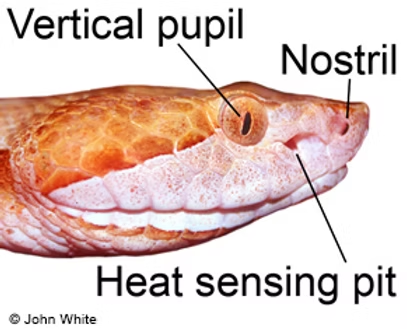
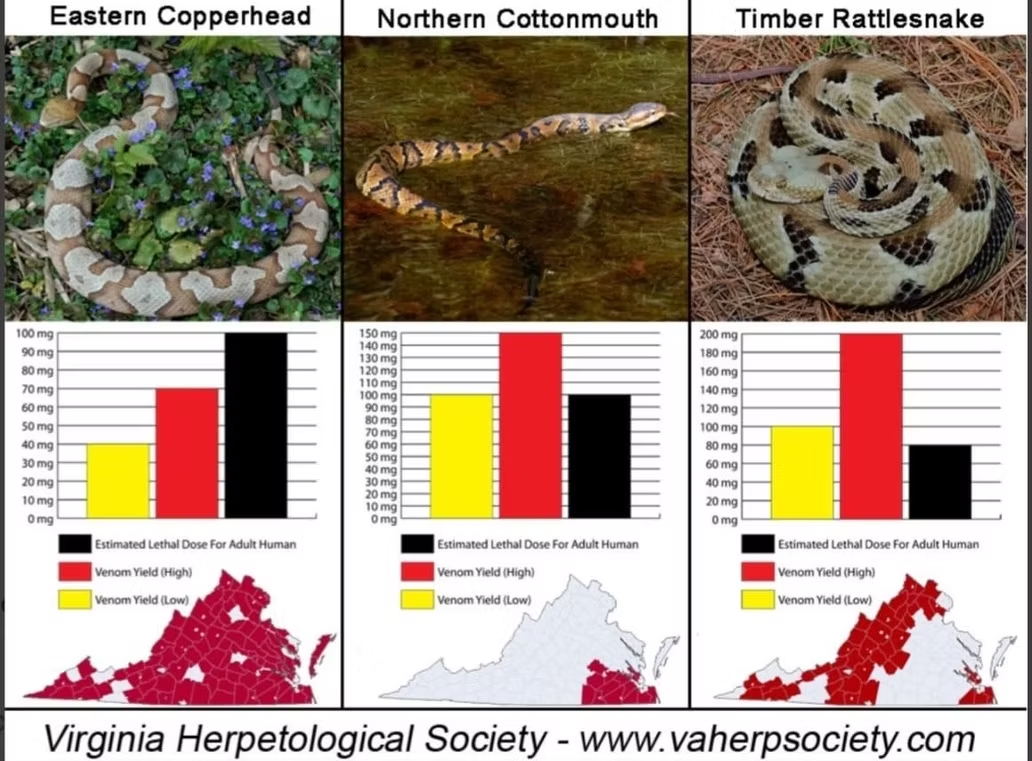
There are only 3 venomous snakes in Virginia. These pit viper species have a heat-sensing pit located between the eye and nostril - used to aid in prey location and allow prey capture in dark spaces, like rodent burrows.
⚠️ Virginia's Venomous Species
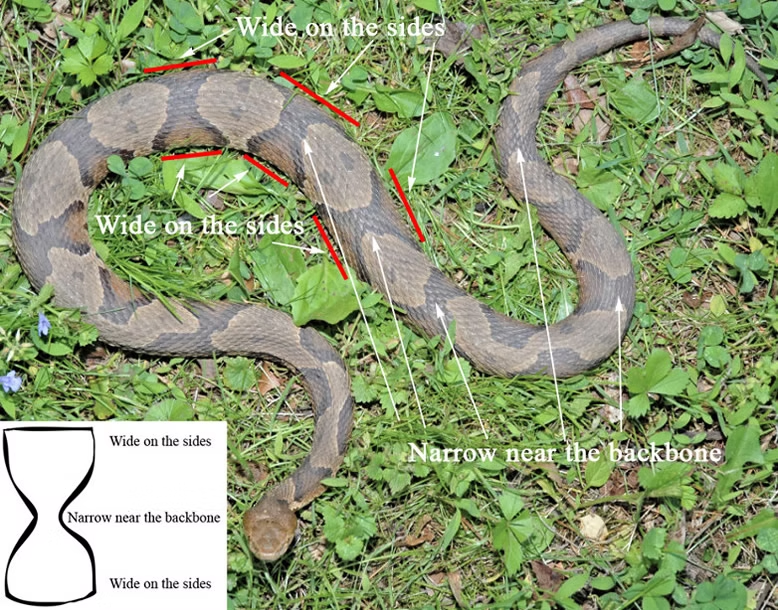
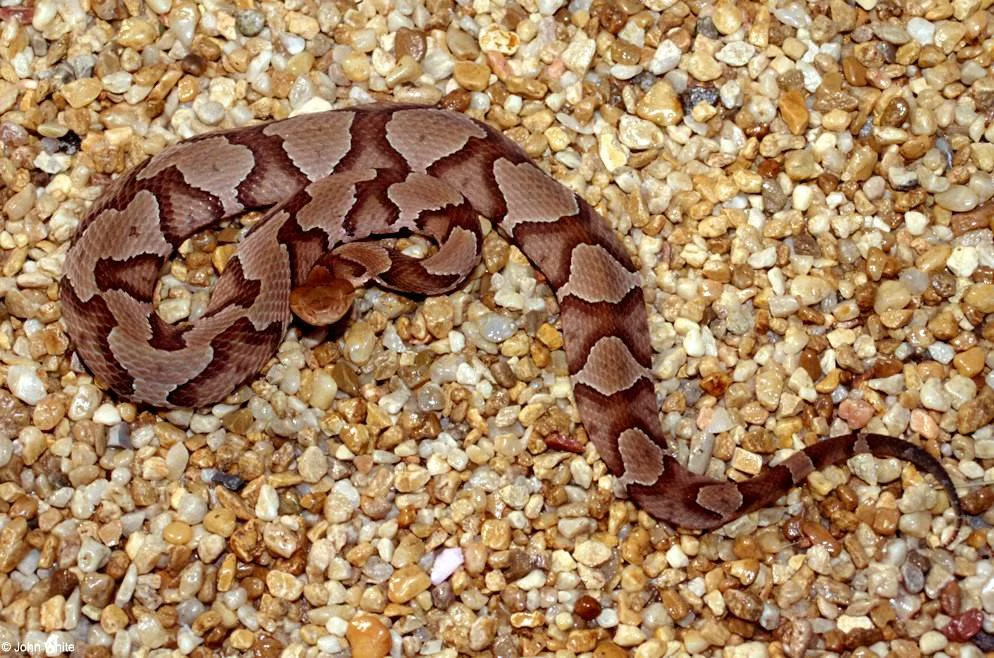
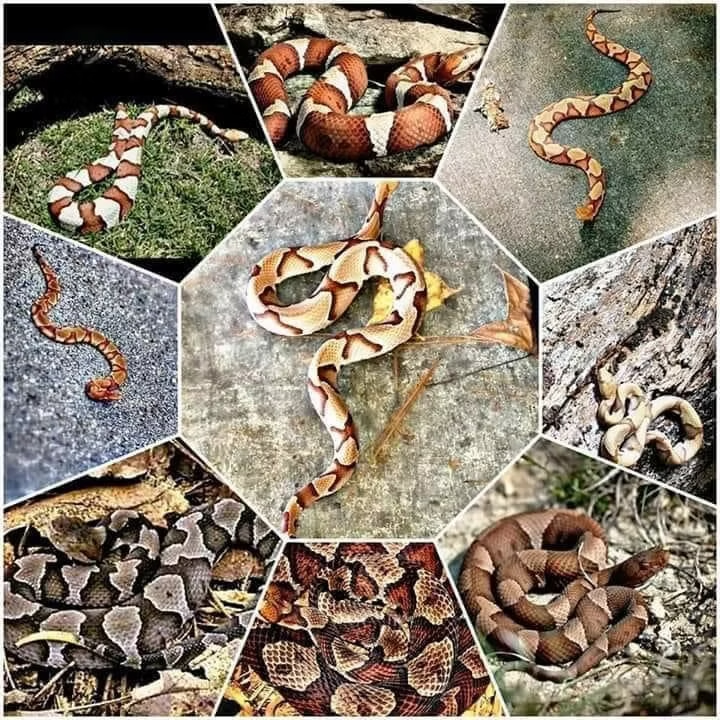
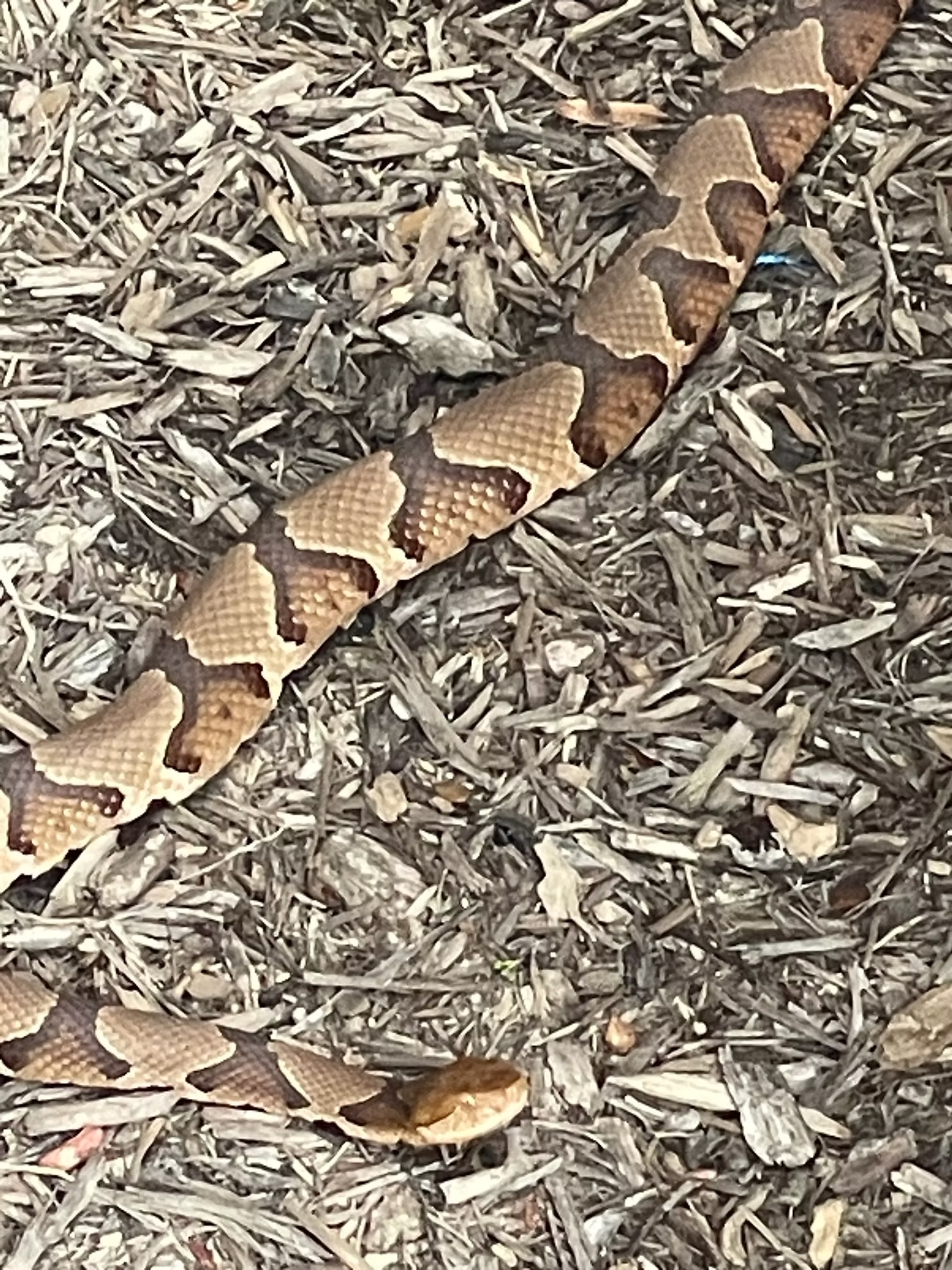
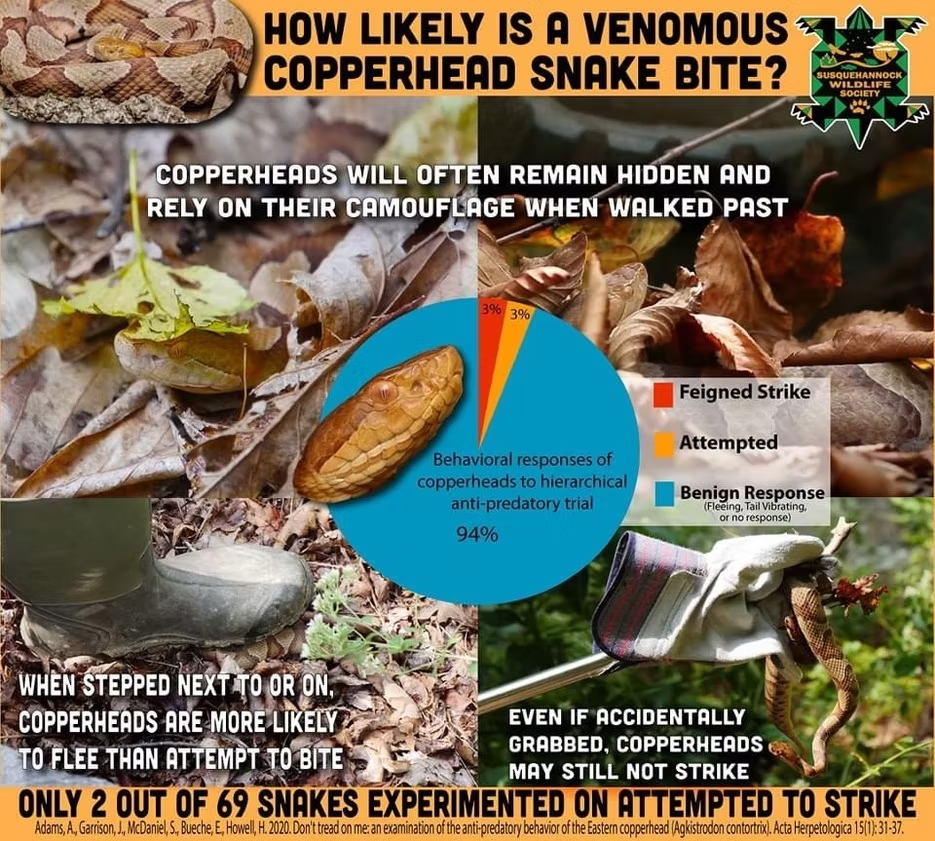
- Eastern Copperhead - Most common venomous snake in Virginia.
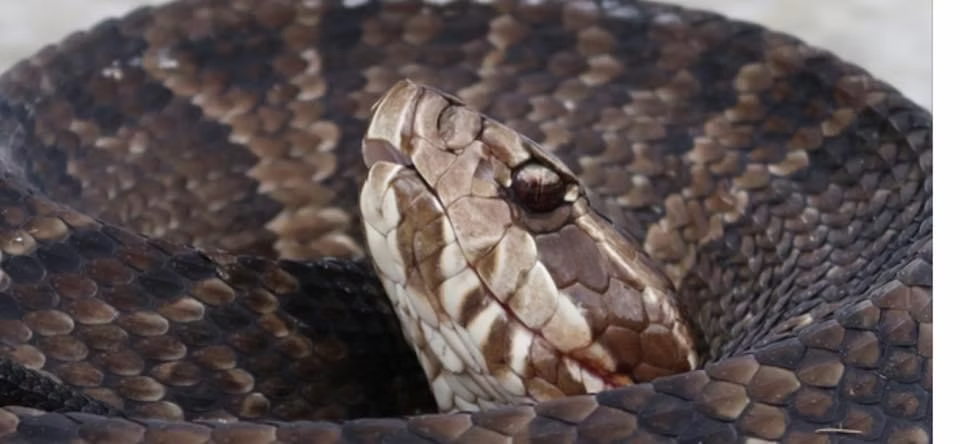
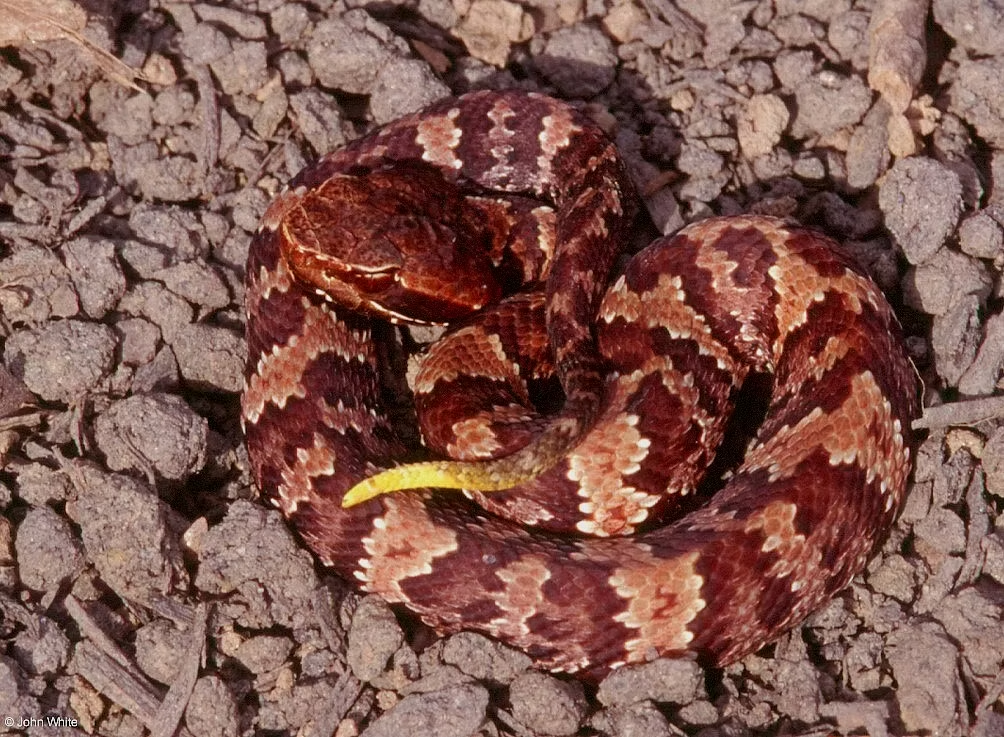
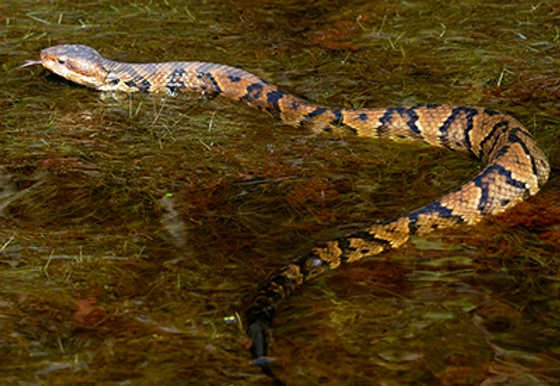
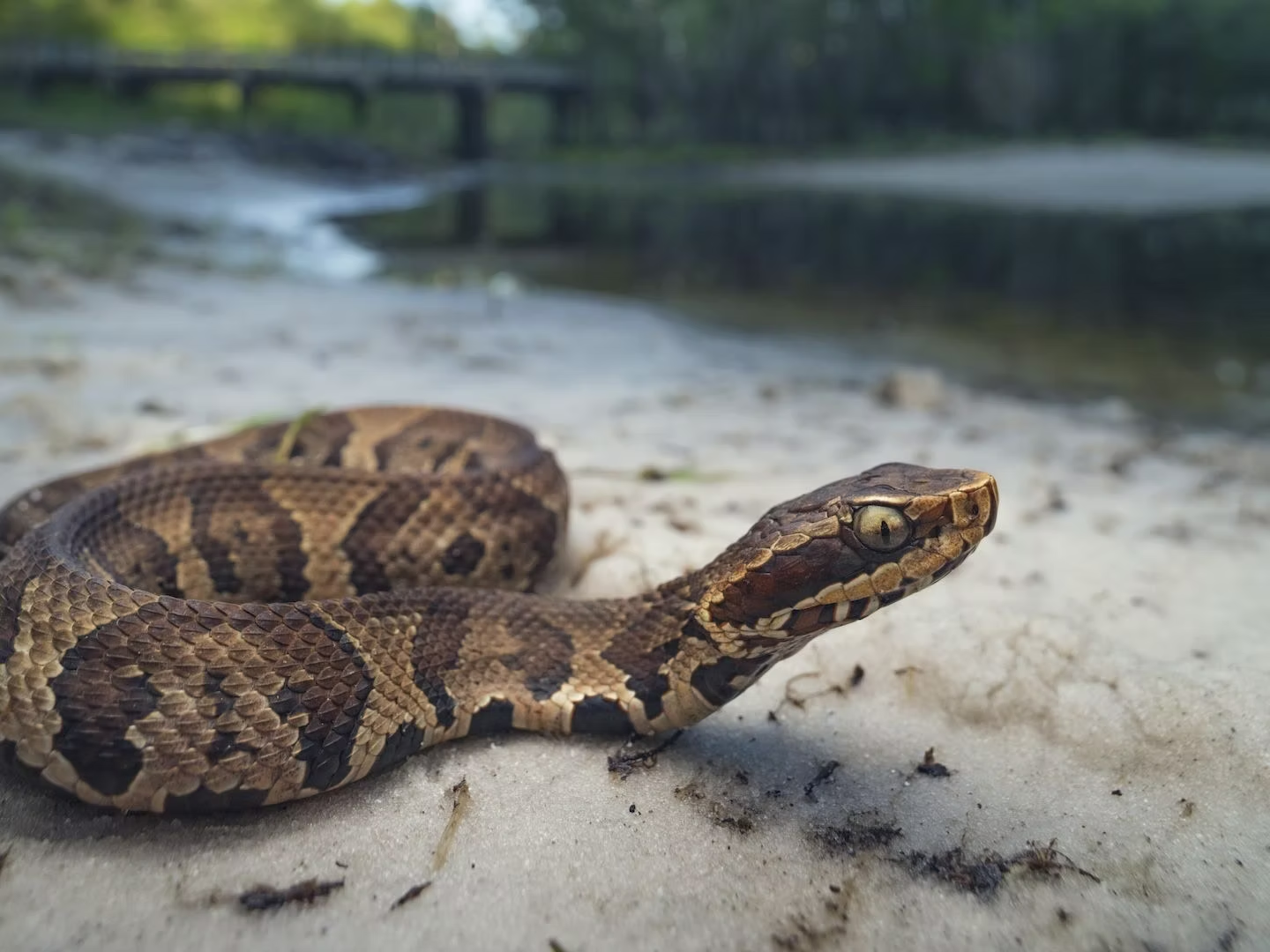
- Northern Cottonmouth (Water Moccasin) - Found near Virginia Beach area (South East Virginia).
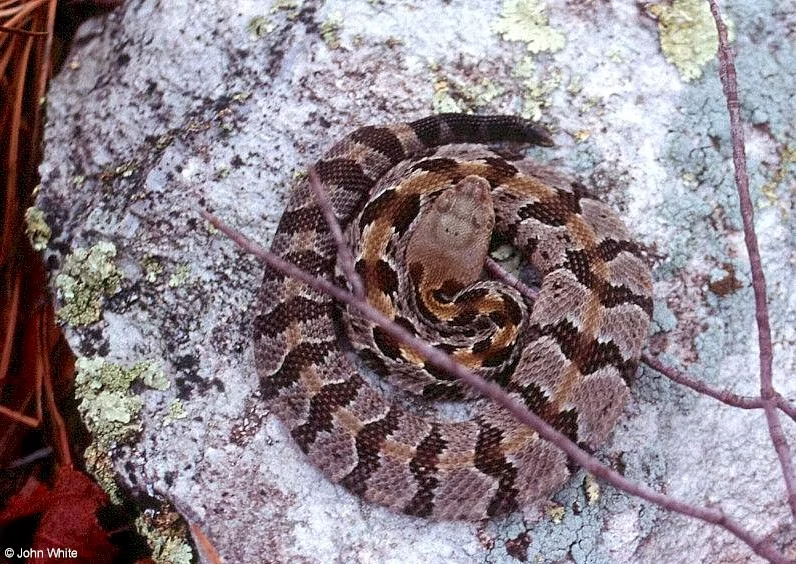
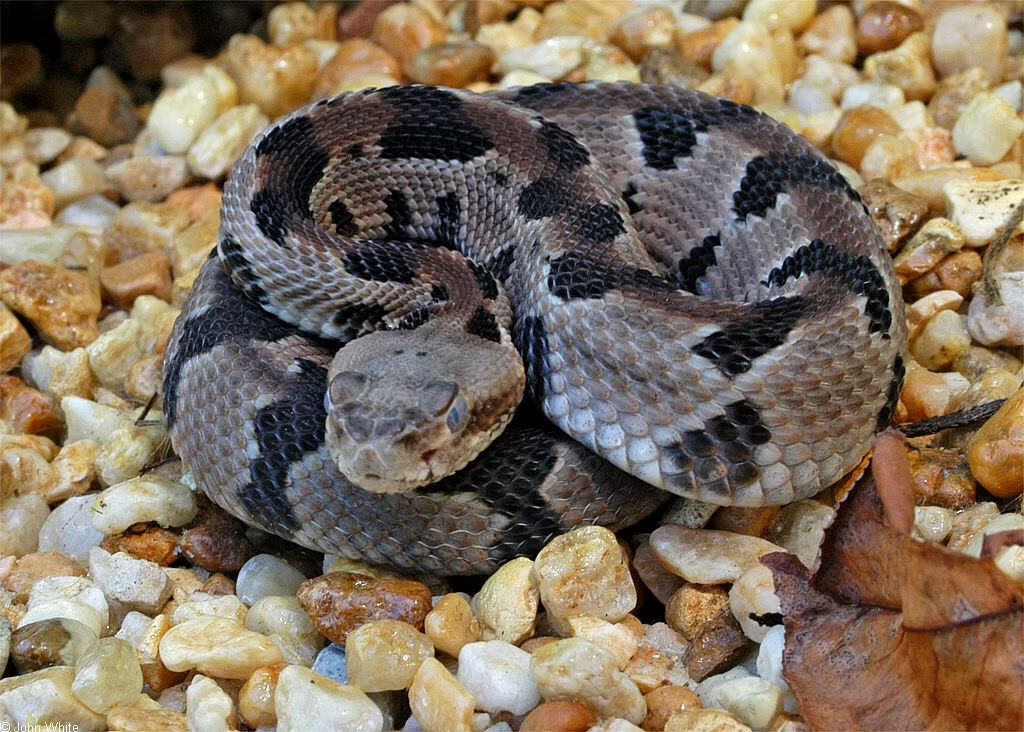
- Timber Rattlesnake (Cane Brake) - Found in North Eastern Virginia on mountains and some areas near South West Virginia.
Eastern Copperhead
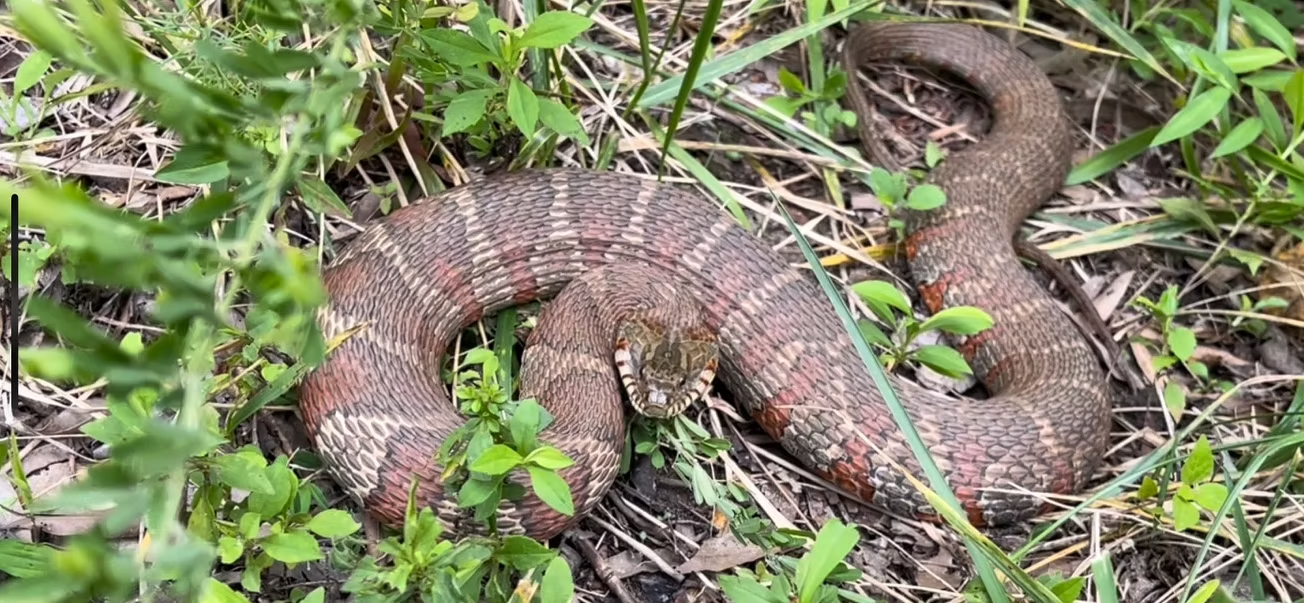
Northern Cottonmouth (Water Moccasin)
Timber Rattlesnake (Canebrake)
Non-Venomous Snakes in Virginia
Virginia has many non-venomous snakes. Let's learn about the most common ones seen in our neighborhoods. Remember: Even if you can identify a snake, leave it to go on its way! Never handle any snakes if possible. If bitten by a non-venomous snake, just wash the wound with soap and water.
🐍 The 5 Most Common Non-Venomous Snakes
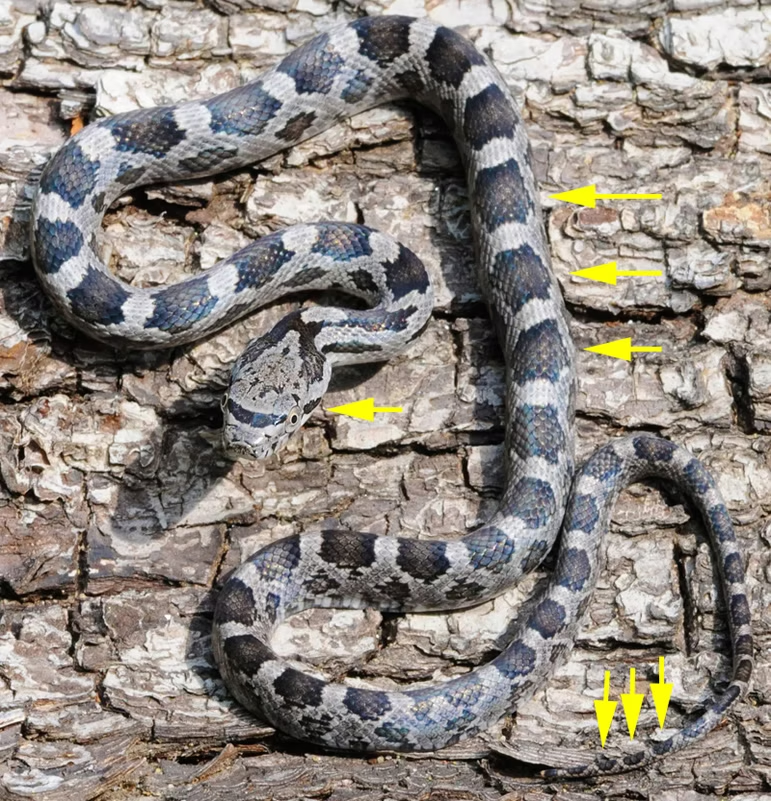
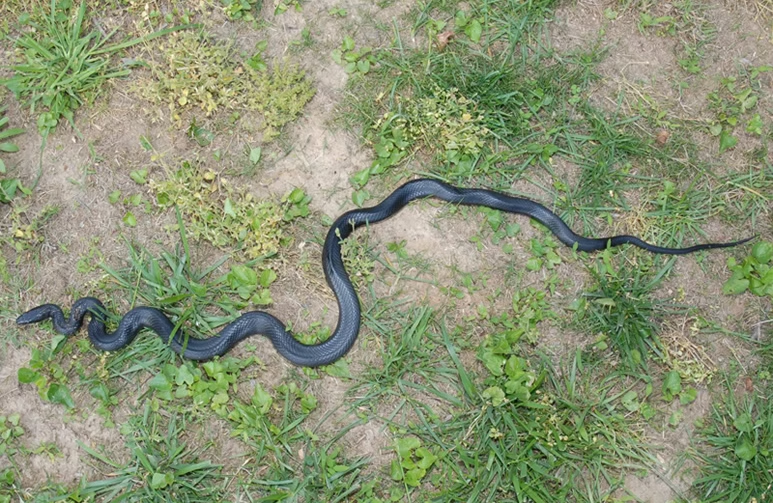
- Eastern Rat Snake (aka Black Rat Snake)
- Eastern Garter Snake
- Dekay's Brown Snake
- Eastern Kingsnake
- Northern Water Snake
Eastern Rat Snake (Black Rat Snake)
Eastern Garter Snake
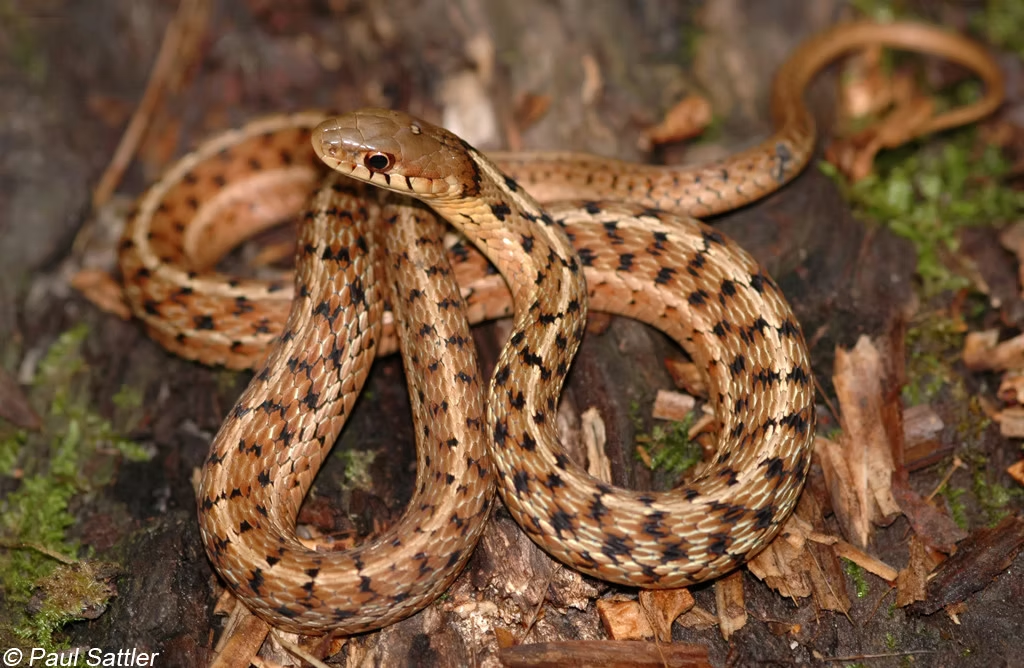
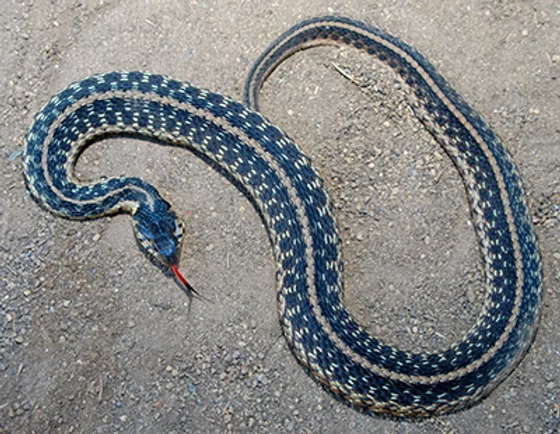
Dekay's Brown Snake
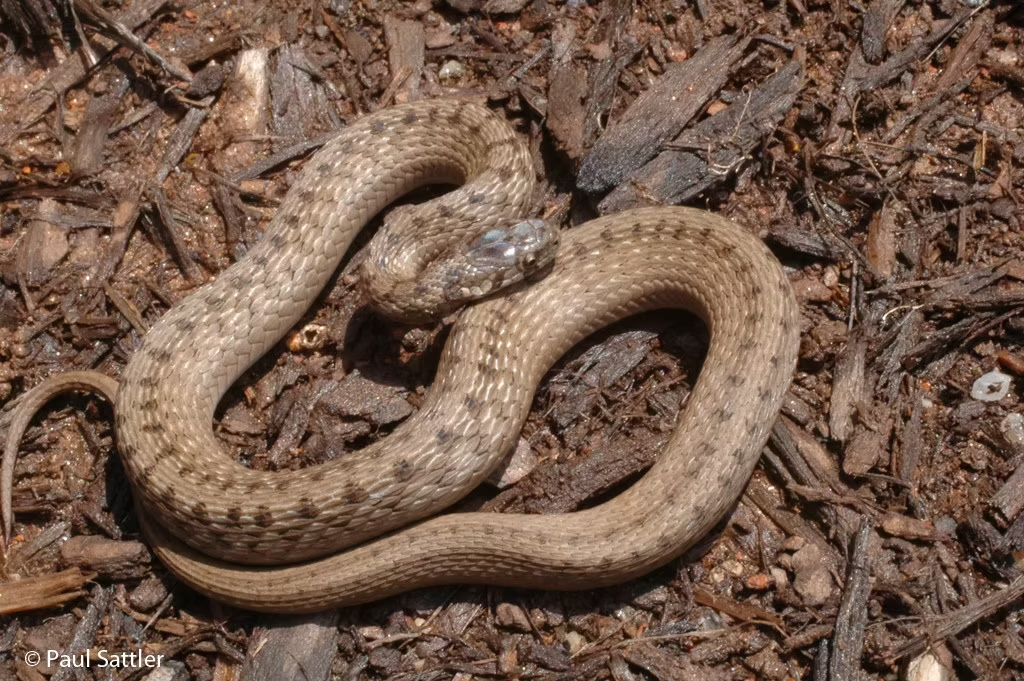
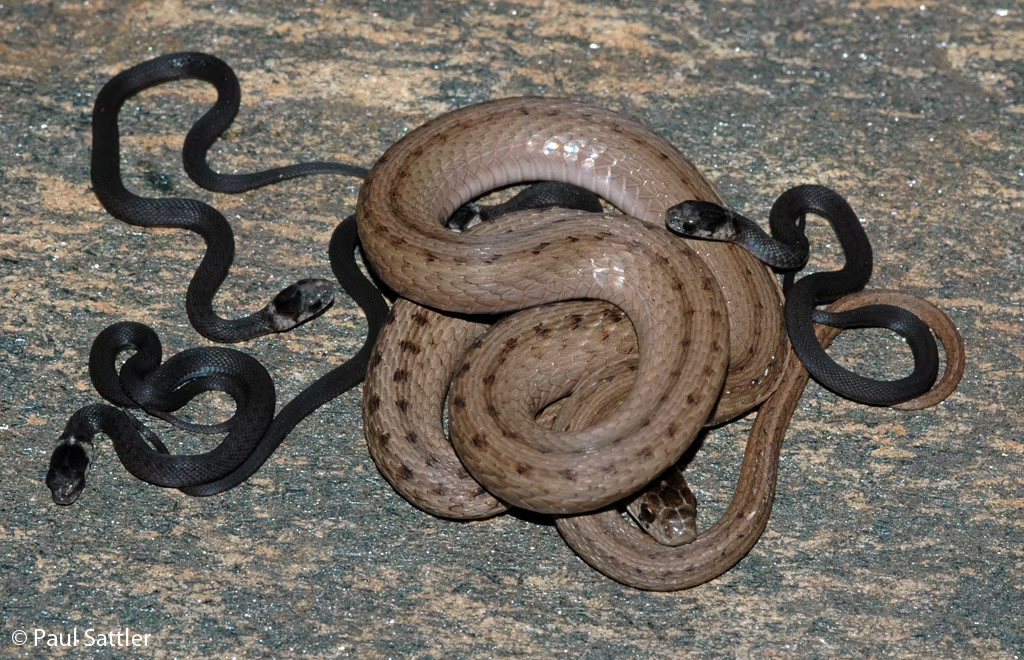
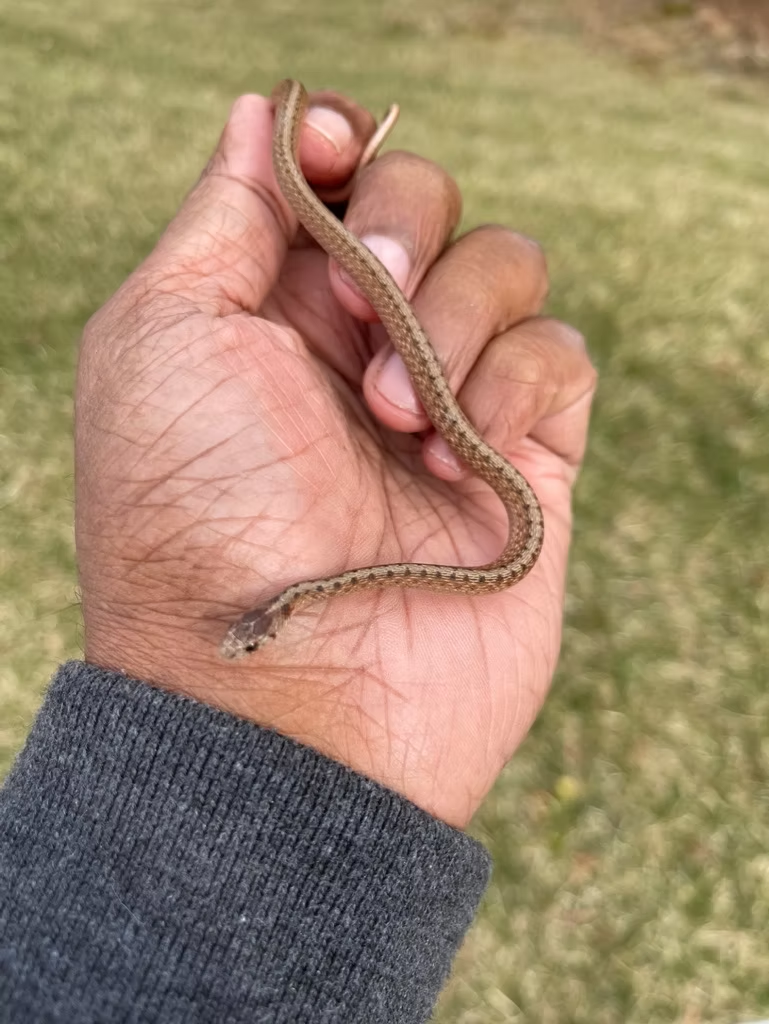
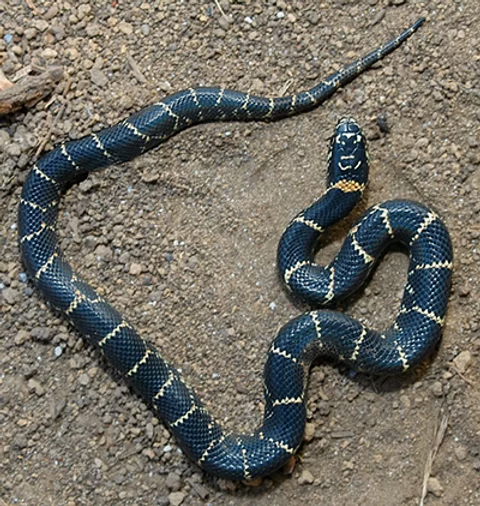
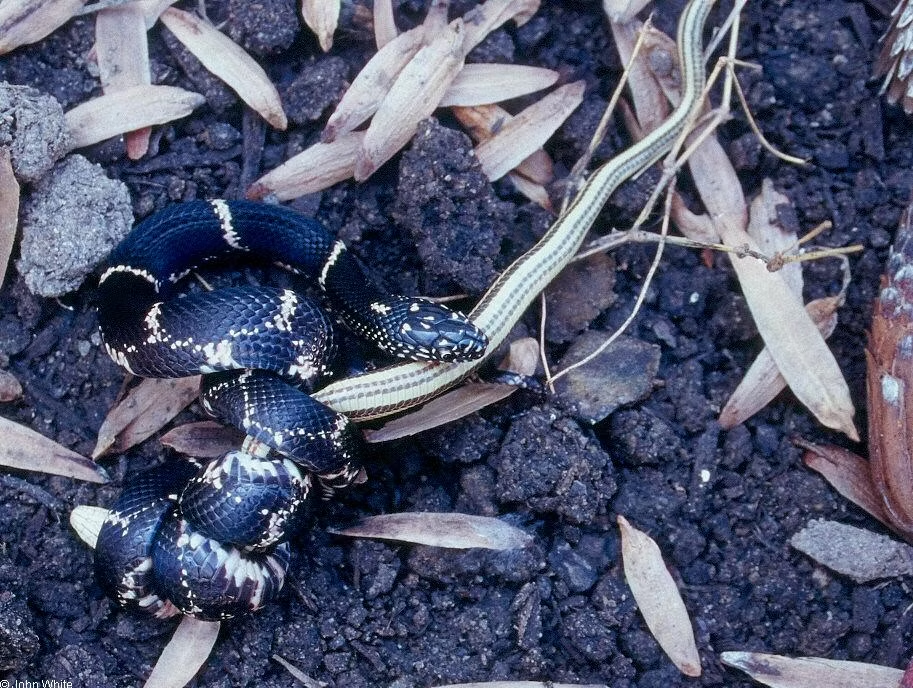
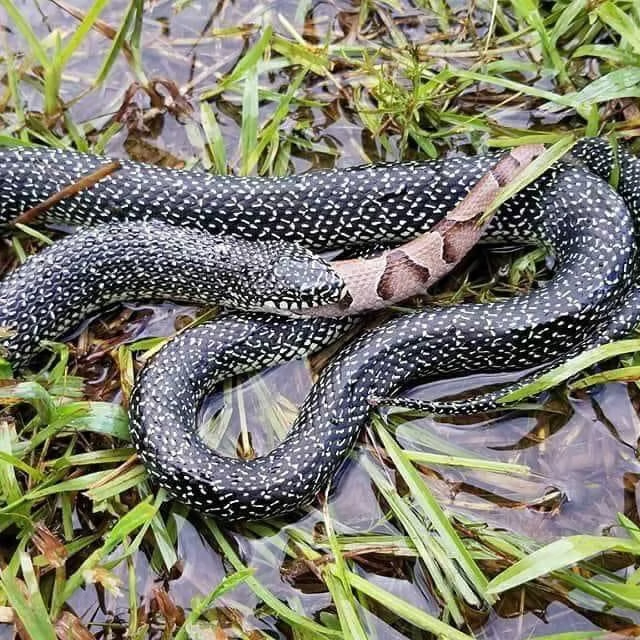
Eastern Kingsnake
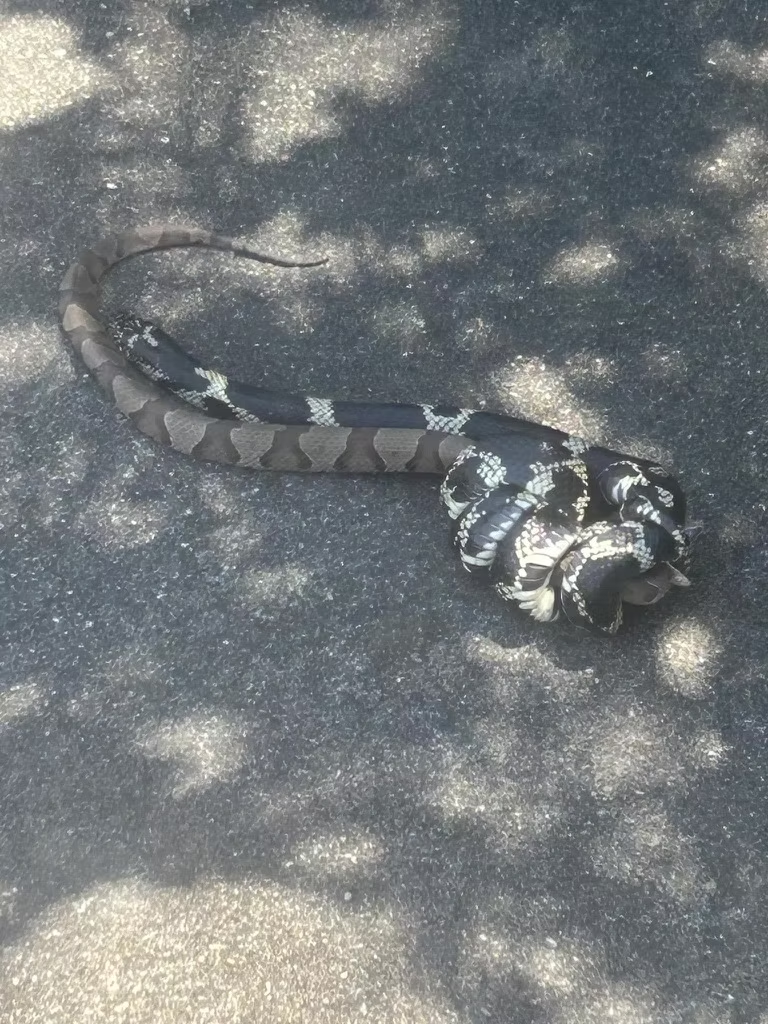
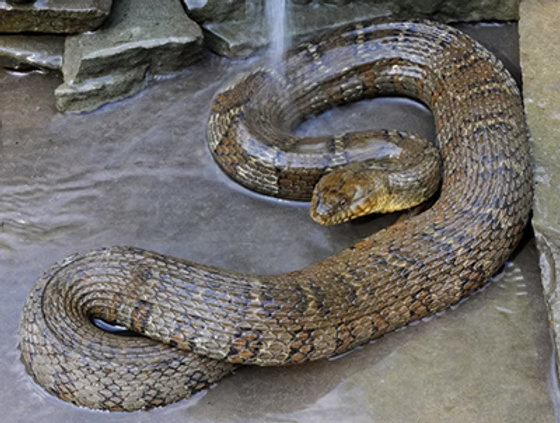
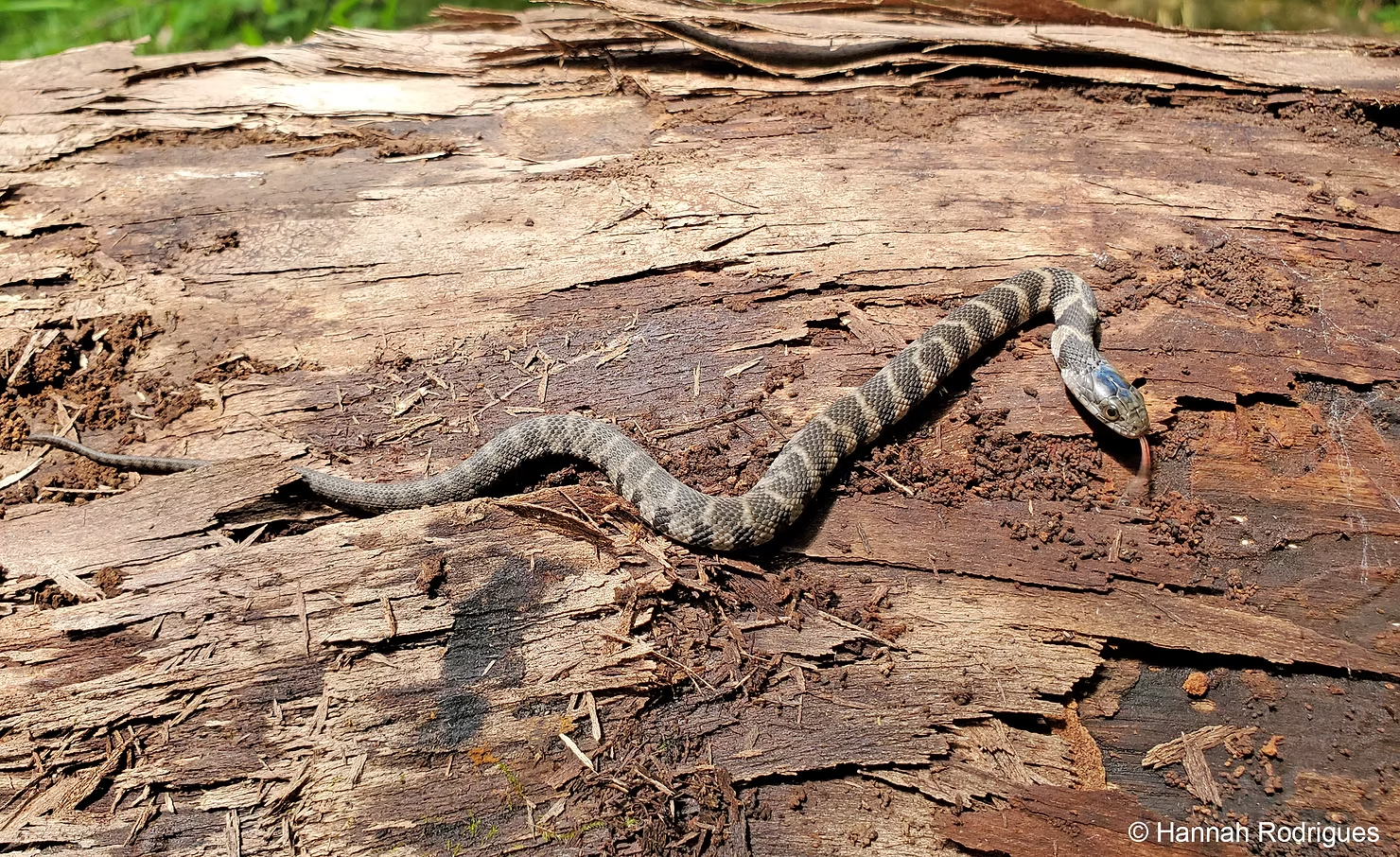
Northern Water Snake
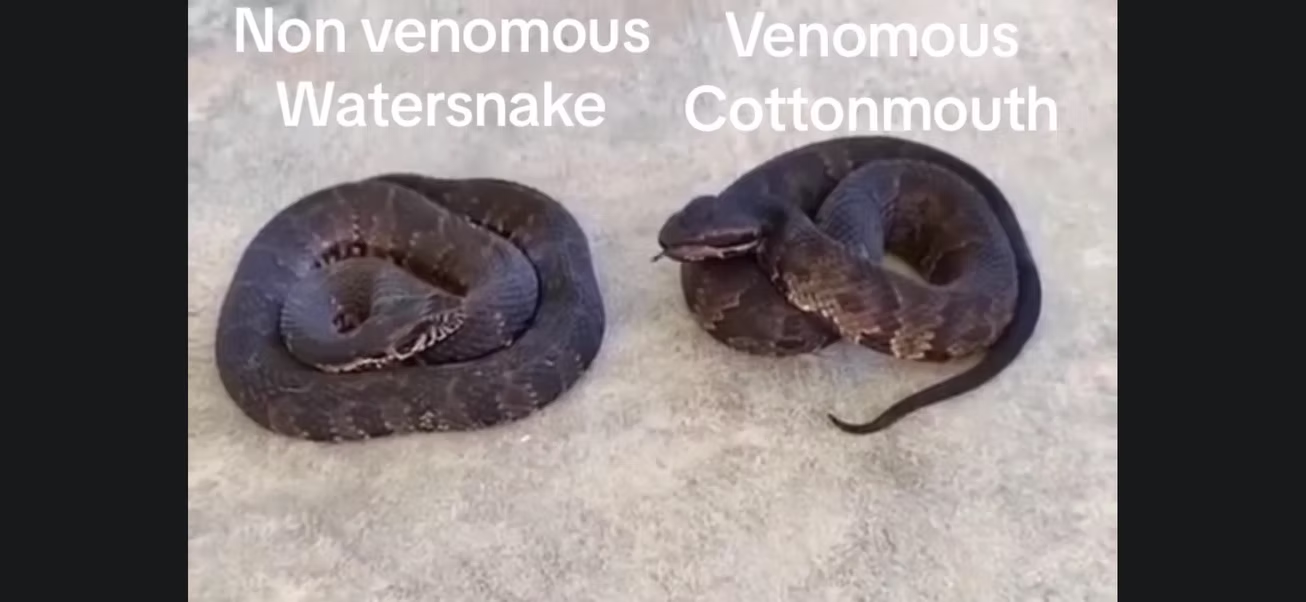
How to Identify Snakes
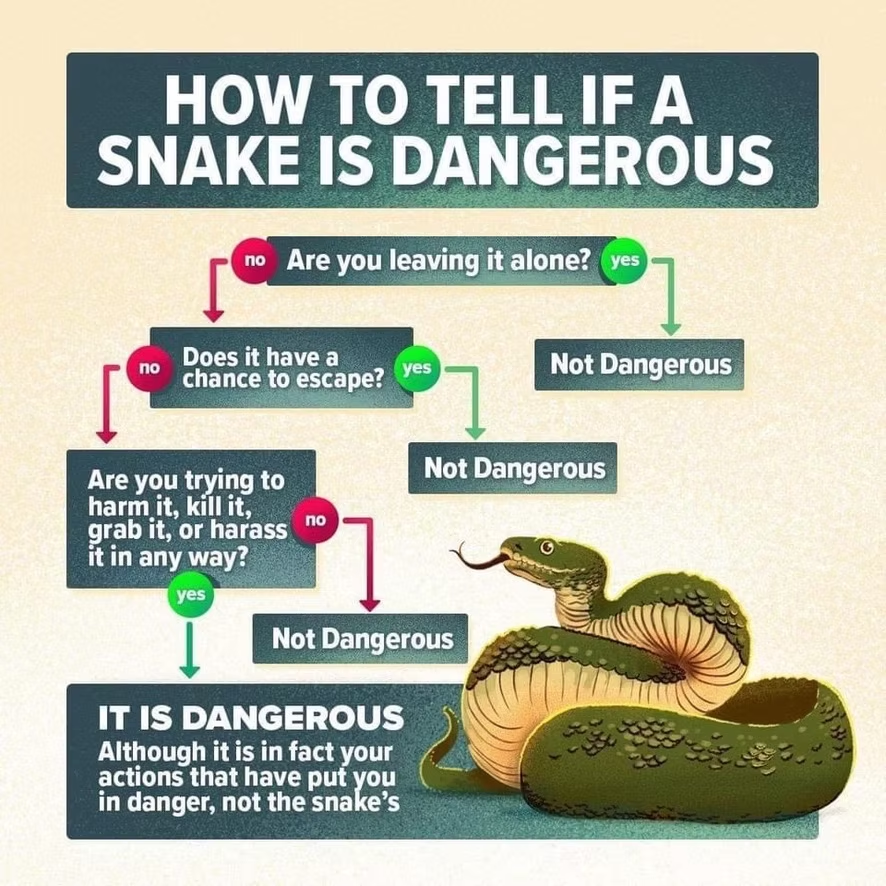
Identifying snakes can be challenging, but there are key features to look for. Here is a quick reference guide:
| Snake | Status | Key ID Feature | Where Found |
|---|---|---|---|
| Eastern Copperhead | Venomous | Hourglass bands, copper-red head | Statewide |
| Northern Cottonmouth | Venomous | Dark eye mask, thick body | SE Virginia |
| Timber Rattlesnake | Venomous | Rattle, zigzag blotches | NE + SW mountains |
| Eastern Rat Snake | Non-Venomous | Shiny black, white chin | Statewide |
| Eastern Garter Snake | Non-Venomous | Yellowish stripes, slender | Gardens, near water |
| Dekay's Brown Snake | Non-Venomous | Tiny, brown with dot rows | Under rocks/mulch |
| Eastern Kingsnake | Non-Venomous | Chain-like white/yellow bands | Wooded areas |
| Northern Water Snake | Non-Venomous | Brown bands, near water | Creeks, ponds |
⚠️ Identification Caveats
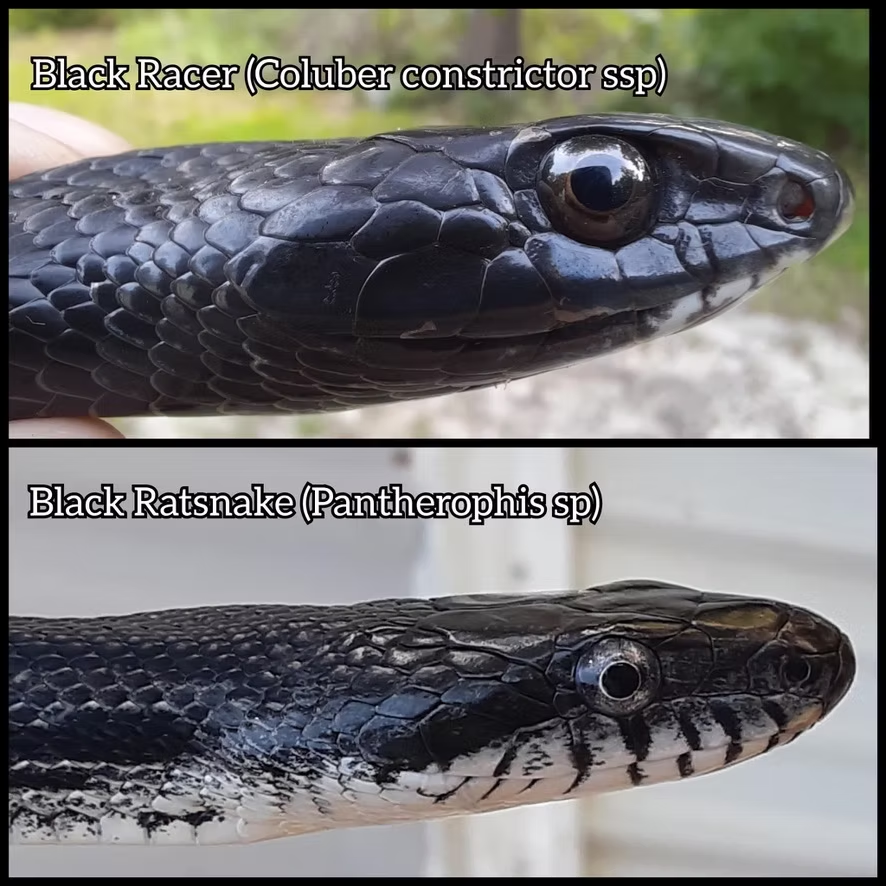
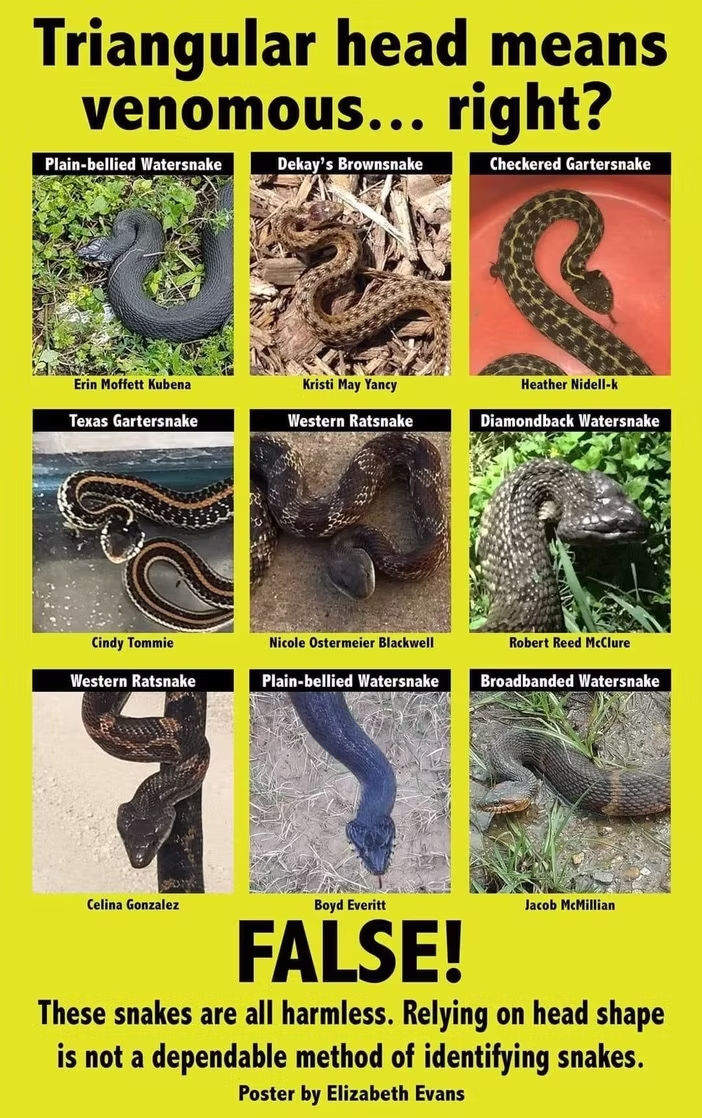
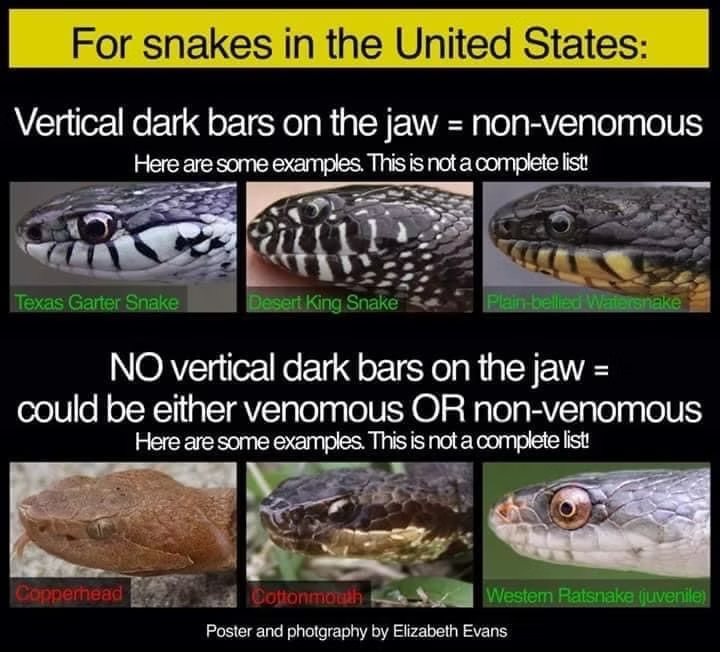
- Head shape: Triangular heads are sometimes said to indicate venomous snakes, but this is NOT conclusive - do not rely on this alone.
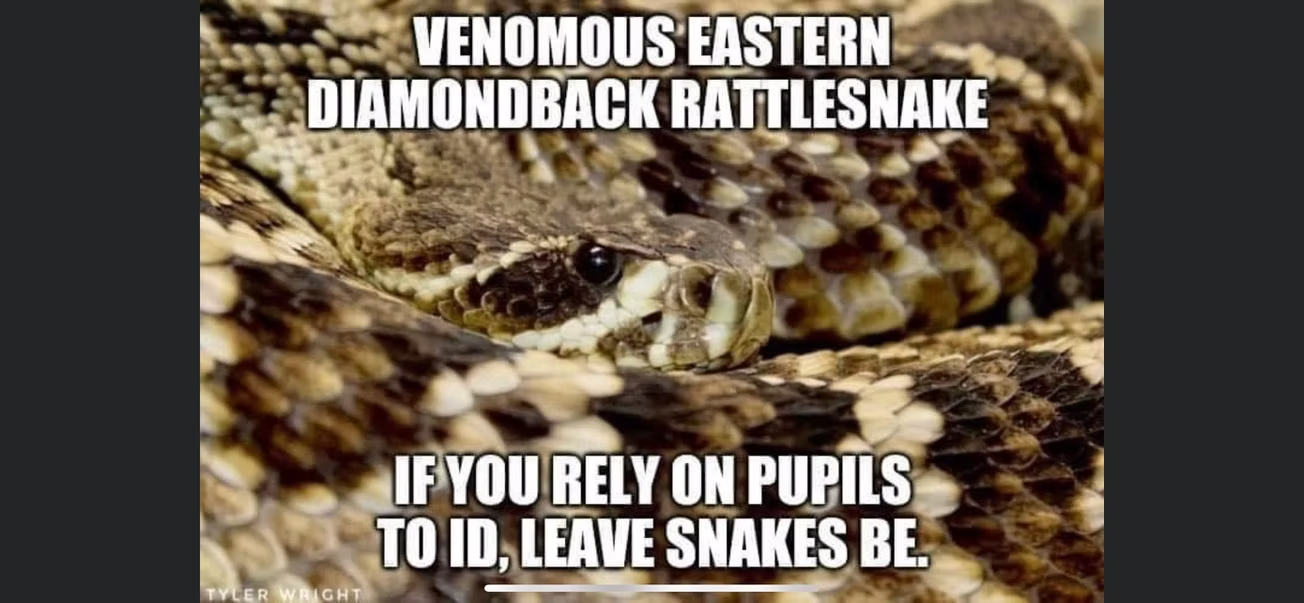
- Eye pupils: Vertical pupils are sometimes associated with venomous snakes in the US, but this is NOT 100% guaranteed.
- Color patterns are the most reliable field guide, but juveniles can look different from adults.
- Non-venomous snakes in the USA often have vertical dark bars on the jaw.
Safety Tips When Encountering Snakes
✅ What to Do If You See a Snake
- Stay Calm: Most snakes are not aggressive and will not attack unless provoked.
- Keep Your Distance: Give it space. Do not attempt to touch or capture it.
- Observe from Afar: Take a moment to observe from a safe distance to help identify the species.
- Never Handle: Even non-venomous snakes can bite. Observe, don't grab.
- Educate Yourself: Familiarize yourself with local snakes - knowledge is your best safety tool.
- Call for Help: If a snake is inside your home or property, call SaveSnakes.org for free removal.
The Role of Snakes in the Ecosystem
Snakes play a vital role in maintaining the balance of ecosystems. They help control populations of rodents and other small animals, which can prevent overpopulation and the spread of disease. Additionally, snakes serve as prey for larger animals, contributing to the food chain.
Understanding their role can help foster a greater appreciation for these often-misunderstood creatures. A world with healthy snake populations is a world with balanced, thriving ecosystems.
Embracing Virginia's Serpentine Residents
Virginia's snakes are an integral part of the state's natural heritage. By learning about their characteristics, habitats, and behaviors, you can enhance your outdoor experiences and contribute to the conservation of these fascinating reptiles.
Next time you venture into the wild, take a moment to appreciate the snakes you encounter. Whether they are slithering through the grass or basking in the sun, these creatures are a testament to the beauty and diversity of Virginia's wildlife.
Need a Snake Removed?
We provide free, humane snake relocation services in the Richmond, VA area. No need to harm the snake - we'll handle it safely.
Contact Us →